








 Richard Wilson
Most of us have received at least one Christms present that missed the mark – a jumper that doesn’t fit, a hideous ornament or a perfume you don’t like.
Not every present is greeted with delight – so instead of banishing them to the back of a cupboard, how can you get rid of them without causing offence?
1. Regift

 Getty Images
For Dawn-Maria France from North Yorkshire, the solution to unwanted gifts is simple – pass them on to someone else. She says right after Christmas is the perfect time.
She never feels any guilt for doing so and believes it is a more sustainable way of celebrating the festive season. “One year I was given some garden seeds that I had no use for,” she says.
Rather than letting them go to waste, Dawn-Maria re-gifted them to a green-fingered friend. “It’s a budget-friendly way to manage spending, especially during the cost-of-living crisis, and it’s helped me declutter my home,” she adds.
The habit could also help tackle a much bigger problem. Each year, an estimated £42m worth of unwanted presents are thrown away in the UK, with some ending up in landfill.
Dawn-Maria re-wrapped her garden seeds adding a personalised note hinting that it was a regift. “I was given this but I knew you’d love it,” she wrote.
“It promotes sustainability,” she says. “I have no regrets about regifting”.
2. Hide the evidence
 Antoinette Akanji
So how do you regift without causing offence?
“Don’t get caught out,” warns Louise Minchin, who presents the BBC’s Rip Off Britain programme, advising regifters to remove any labels or notes that might be addressed to someone else.
Before re-wrapping she recommends inspecting the gift carefully to make sure no seals have been broken or show signs of wear.
If it’s been opened or is part of an incomplete set, it’s a clear giveaway the item isn’t new.
“I’ve been caught out,” admits BBC Radio 2’s Reverend Kate Bottley who forgot to check there wasn’t a card inside a gift she passed on. “They opened it and I said ‘Oh no, I’m so sorry,'” she recalls.
It’s enough to make both parties cringe. The BBC’s Morning Live regular Dr Oscar remembers being handed a box of chocolates with the message “Dear Mrs Smith, Thanks for being my teacher this year”. It didn’t stop him regifting though, “I just took the label off for the next one,” he says.
Etiquette expert Antoinette Akanji’s has another golden rule: regift outside your social circle.
“If your aunt has given you a jumper that you didn’t like, do not regift this to your cousin,” she says. “She may see your cousin wearing it and this could provoke an awkward conversation.”
“You need to ensure that the original giver and the new recipient aren’t likely to cross paths.”
3. Resell
 Kirsty Quinn
Kirsty Quinn, 36 from Oxfordshire says she makes about £500 a month reselling items sourced from car boot sales and charity shops on eBay and Vinted.
“I think if you receive a gift that you’re not going to use or don’t like, and it’s likely to just sit in a drawer or even end up in landfill, then I don’t see the harm in re-gifting…or selling it online,” she says.
“Selling unwanted gifts can help someone else get something they want at a cheaper price, which feels especially relevant given how tough the economy is at the moment,” she adds.
“It also means the seller can put that money towards something they actually need, something that improves their life, or something they’ll truly use. To me, that feels more practical and sustainable than letting items go to waste.”
Vinted says the first Sunday of each year sees a spike in listings of unwanted gifts – averaging three times the normal daily rate
Last year’s top-listed items women’s toiletries and perfumes, jewellery, nightwear and make-up, according to the platform.
Fashion dominated the most-bought items after Christmas closely followed by entertainment and electronics, Vinted says.
Vinted’s tips for reselling presents without offending the person who bought them include using a username that is not easily identifiable and keeping the background of photos neutral.
“Many members will however choose to regift openly, and will include phrases like ‘unwanted gift’ in their item description,” a Vinted spokesperson says. “This often helps buyers better understand the condition of the item.”
4. Donate
 Getty Images
If regifting doesn’t feel right there are plenty of other ways to pass on the joy, says Louise.
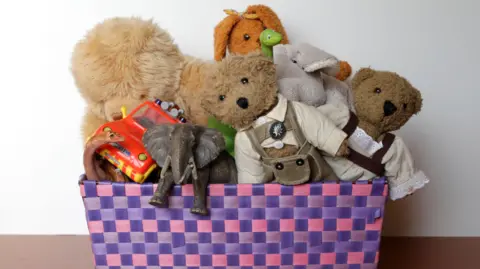
Donating to charity is an obvious option – and one that can make a real difference. Charity shops eagerly await the post-christmas clear-out, when unwanted gifts become someone else’s treasure.
This is also echoed by Allison Swaine-Hughes, retail director at the British Heart Foundation.
“If you have decorations that didn’t quite fit your theme, a board game you’ve been gifted twice, or a Christmas jumper that’s no longer your colour, why not let them brighten someone else’s home or wardrobe by donating them to us?”
And it’s not about just donating – shopping in charity shops over Christmas can make a difference too.
“Our stores are full of unexpected treasures – quality items just waiting to find loving new homes,” she says.
If you’re worried a relative might stumble across the item they’d bought you while they bargain hunt you can always donate to a charity shop outside of your local area.
5. Include a gift receipt
If you’re the one giving the present, you can make life easier for the recipient if you include a receipt.
“If you’re giving someone a gift and include a gift receipt, it gives them far more options,” explains Louise, especially when the item is high-value.
A gift receipt usually allows the recipient to exchange the item in-store or receive a credit note.
In some cases, a refund may be offered, but that depends on the retailer’s individual policy.
Without a receipt, things can quickly become uncomfortable, so Louise recommends an honesty first policy: “Don’t be afraid to say, ‘I’m really sorry, but I’d like to exchange this for something else do you have the original receipt?'”