Future
  • Login
  • Home
  • News
  • Sport
  • Reel
  • Worklife
  • Travel
  • Future
  • Culture
  • More
    • Music
Monday, December 8, 2025

FUTURE

  • Home
  • Future Planet
  • 100 Year Life
  • Best of Future
  • Japan 2020
  • Latest
No Result
View All Result
  • Home
  • Future Planet
  • 100 Year Life
  • Best of Future
  • Japan 2020
  • Latest
No Result
View All Result
Future
No Result
View All Result
Home Future Planet

The plan to turn half the world into a reserve for nature

August 22, 2020
in Future Planet
158 6
0
305
SHARES
2.3k
VIEWS
Share on FacebookShare on Twitter

Related articles

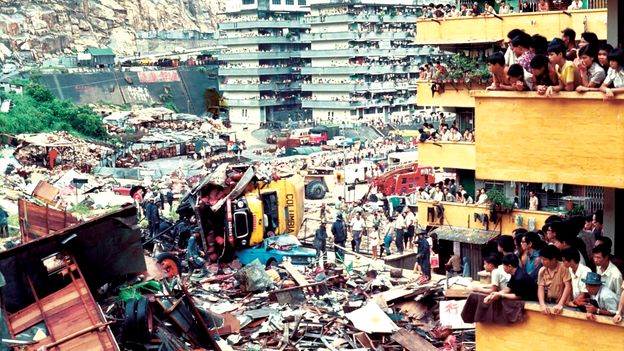
How Hong Kong protects people from dangerous landslides

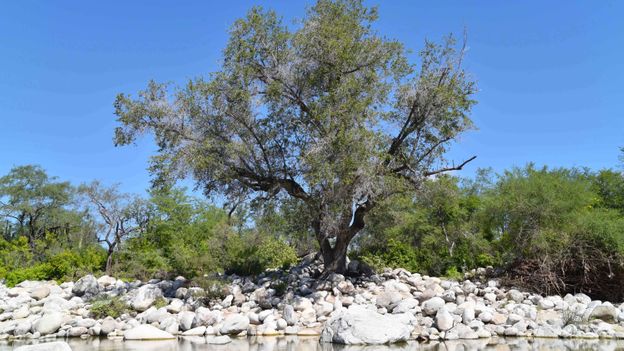
The mystery of Mexico’s vanishing stream oaks


The Wyss Campaign for Nature is prioritising solutions for financing protection. “We’re studying the cost of protection and also looking at what would be the cost if you didn’t protect this amount of land, in terms of lost ecosystem services, clean waters, and fisheries,” said O’Donnell. “There’s a cost of conserving land, and a cost if we don’t.”

And setting aside lands for protection is by no means the end of the story. The Campaign for Nature is studying possible sources of funding so countries can pay for the cost of managing and protecting these lands.

Among the many threats facing large tracts of land, including those ostensibly under protection, are road building and fragmentation. The number of paved roads is expected to double in the next 25 years, opening up large areas to illegal resource exploitation, poaching, and other threats, says Tabor.

“People will go first to the boreal [forest] or Central Africa,” for protecting large tracts of nature, says Tabor. “But most of where the biodiversity exists is in fragmented areas. To have effective nature in those areas we will have to have a connectivity strategy.”

O’Donnell agrees that there are huge challenges. “Just as the climate crisis requires major systematic change in the coming decades, it’s the same with biodiversity,” he says. “There are a lot of other things competing for money and attention.”

—

Correction

This article originally stated that the International Union for Conservation of Nature was working with Nature Needs Half; we have been informed that this is not the case and have updated accordingly. We apologise for the error. 

—

This article was originally published by Yale Environment 360, and is republished with permission – read the original story here. This is also why this story does not have an estimate for its carbon emissions, as Future Planet stories usually do.

—

Join one million Future fans by liking us on Facebook, or follow us on Twitter or Instagram.

If you liked this story, sign up for the weekly bbc.com features newsletter, called “The Essential List”. A handpicked selection of stories from BBC Future, Culture, Worklife, and Travel, delivered to your inbox every Friday.

Source link

Tags: natureplanreserveturnworld
Previous Post

The age you feel means more than your actual birthdate

Next Post

Japan’s unexpected relationship with reggae

Related Posts

Future Planet

How Hong Kong protects people from dangerous landslides

March 11, 2022
Future Planet

The mystery of Mexico’s vanishing stream oaks

March 9, 2022
Future Planet

Why the Dutch embrace floating homes

February 27, 2022
Future Planet

The animals that detect disasters

February 26, 2022
Future Planet

The tiny islands leading the green transition

February 8, 2022
Future Planet

How Dubai is pushing back its encroaching deserts

February 1, 2022

Leave a Reply Cancel reply

Your email address will not be published. Required fields are marked *

Recommended

BBC – Travel – Japan’s formula for life satisfaction

May 25, 2020

Time capsule 2020: The 37 objects that defined the year

December 27, 2020

Popular Post

  • The traditions that could save a nation’s forests

    306 shares
    Share 122 Tweet 77
  • BBC – Travel – Sanbokan: Japan’s rare, sour citrus fruit

    306 shares
    Share 122 Tweet 77
  • The lost generation of ancient trees

    306 shares
    Share 122 Tweet 77
  • The best trees to reduce air pollution

    306 shares
    Share 122 Tweet 77
  • A high-carb diet may explain why Okinawans live so long

    306 shares
    Share 122 Tweet 77
Future

© 2020 JBC - JOOJ Clone ScriptsJOOJ.us.

Navigate Site

  • Home
  • News
  • Sport
  • Reel
  • Worklife
  • Travel
  • Future
  • Culture
  • More

Follow Us

  • Home
  • Future Planet
  • 100 Year Life
  • Best of Future
  • Japan 2020
  • Latest

© 2020 JBC - JOOJ Clone ScriptsJOOJ.us.

Welcome Back!

Login to your account below

Forgotten Password?

Create New Account!

Fill the forms bellow to register

All fields are required. Log In

Retrieve your password

Please enter your username or email address to reset your password.

Log In
Future
More Sites

    MORE

  • Home
  • News
  • Sport
  • Reel
  • Worklife
  • Travel
  • Future
  • Culture
  • More
    • Music
  • Future

    JBC Future