Future
  • Login
  • Home
  • News
  • Sport
  • Reel
  • Worklife
  • Travel
  • Future
  • Culture
  • More
    • Music
Tuesday, December 9, 2025

FUTURE

  • Home
  • Future Planet
  • 100 Year Life
  • Best of Future
  • Japan 2020
  • Latest
No Result
View All Result
  • Home
  • Future Planet
  • 100 Year Life
  • Best of Future
  • Japan 2020
  • Latest
No Result
View All Result
Future
No Result
View All Result
Home Future Planet

The ancient trade holding back the Sahara Desert

September 30, 2020
in Future Planet
163 2
0
306
SHARES
2.4k
VIEWS
Share on FacebookShare on Twitter

Related articles

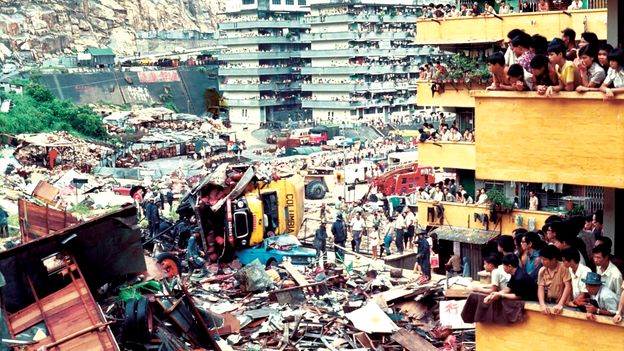
How Hong Kong protects people from dangerous landslides

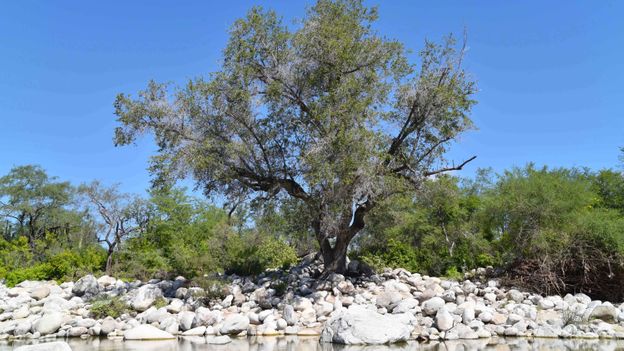
The mystery of Mexico’s vanishing stream oaks


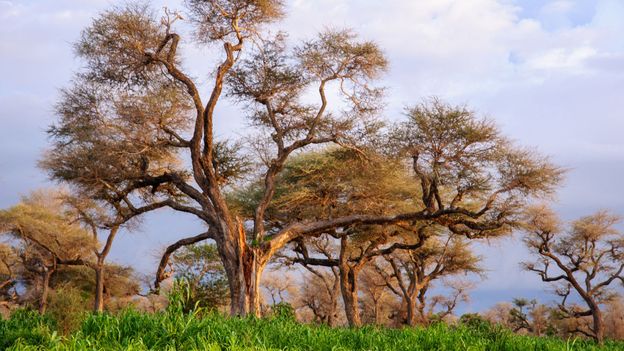
In Mali, the route of the Great Green Wall covers nearly 890km (550 miles), passing through the regions of Kayes and Koulikoro. The project is structured around 29 blocks, each one comprising a farm of approximately eight hectares of land developed for agriculture, tree planting and ranching. In total, there are expected to be 29 blocks in Mali that will involve 12,500 families. In 2015, the Malian state also began to invest CFA4bn ($7.2m/£5.6m) in planting acacia, training farmers in harvesting techniques and managing rural cooperatives in villages where gum arabic is grown.

Gum arabic farming still brings its challenges. The young plants are regularly destroyed by straying domestic animals, specifically when nomadic herders move between Mali and Mauritania. In addition, because of the region’s geology, the traditional shallow wells used by most of the villages in the area produce salt water that is unsuitable for irrigating the acacia trees, or any other kind of agriculture, says Sitafa Traoré, a forestry engineer working in the gum arabic trade in the Kayes region of western Mali. “It was therefore necessary to make deep boreholes with machines to find fresh water in order to maintain the young plants,” Traoré says.

But despite this, the gum arabic sector has already started to change the face of some Malian villages. National gum arabic exports have been growing rapidly, reaching nearly 2,500 tonnes in 2015 and 6,000 tonnes in 2016. Those involved in the trade, like Traoré, remain optimistic. In a region experiencing both climate and political instability, a trade that has been tested over centuries could help to bring security in more ways than one.

—

The emissions from travel it took to report this story were 19kg CO2, travelling by bus. The digital emissions from this story are an estimated 1.2g to 3.6g CO2 per page view. Find out more about how we calculated this figure here.

—

Join one million Future fans by liking us on Facebook, or follow us on Twitter or Instagram.

If you liked this story, sign up for the weekly bbc.com features newsletter, called “The Essential List”. A handpicked selection of stories from BBC Future, Culture, Worklife, and Travel, delivered to your inbox every Friday.


Source link

Tags: ancientDesertholdingSaharatrade
Previous Post

What ‘net-zero carbon’ really means for cities

Next Post

The return of Europe’s largest beasts

Related Posts

Future Planet

How Hong Kong protects people from dangerous landslides

March 11, 2022
Future Planet

The mystery of Mexico’s vanishing stream oaks

March 9, 2022
Future Planet

Why the Dutch embrace floating homes

February 27, 2022
Future Planet

The animals that detect disasters

February 26, 2022
Future Planet

The tiny islands leading the green transition

February 8, 2022
Future Planet

How Dubai is pushing back its encroaching deserts

February 1, 2022

Leave a Reply Cancel reply

Your email address will not be published. Required fields are marked *

Recommended

BBC – Worklife – The lifelong exercise that keeps Japan moving

September 7, 2020

The environmental case for buying a coal mine

January 26, 2022

Popular Post

  • The traditions that could save a nation’s forests

    306 shares
    Share 122 Tweet 77
  • BBC – Travel – Sanbokan: Japan’s rare, sour citrus fruit

    306 shares
    Share 122 Tweet 77
  • The lost generation of ancient trees

    306 shares
    Share 122 Tweet 77
  • The best trees to reduce air pollution

    306 shares
    Share 122 Tweet 77
  • A high-carb diet may explain why Okinawans live so long

    306 shares
    Share 122 Tweet 77
Future

© 2020 JBC - JOOJ Clone ScriptsJOOJ.us.

Navigate Site

  • Home
  • News
  • Sport
  • Reel
  • Worklife
  • Travel
  • Future
  • Culture
  • More

Follow Us

  • Home
  • Future Planet
  • 100 Year Life
  • Best of Future
  • Japan 2020
  • Latest

© 2020 JBC - JOOJ Clone ScriptsJOOJ.us.

Welcome Back!

Login to your account below

Forgotten Password?

Create New Account!

Fill the forms bellow to register

All fields are required. Log In

Retrieve your password

Please enter your username or email address to reset your password.

Log In
Future
More Sites

    MORE

  • Home
  • News
  • Sport
  • Reel
  • Worklife
  • Travel
  • Future
  • Culture
  • More
    • Music
  • Future

    JBC Future