Future
  • Login
  • Home
  • News
  • Sport
  • Reel
  • Worklife
  • Travel
  • Future
  • Culture
  • More
    • Music
Sunday, December 7, 2025

FUTURE

  • Home
  • Future Planet
  • 100 Year Life
  • Best of Future
  • Japan 2020
  • Latest
No Result
View All Result
  • Home
  • Future Planet
  • 100 Year Life
  • Best of Future
  • Japan 2020
  • Latest
No Result
View All Result
Future
No Result
View All Result
Home Future Planet

The African lake with explosive power

October 30, 2020
in Future Planet
155 10
0
306
SHARES
2.4k
VIEWS
Share on FacebookShare on Twitter

Related articles

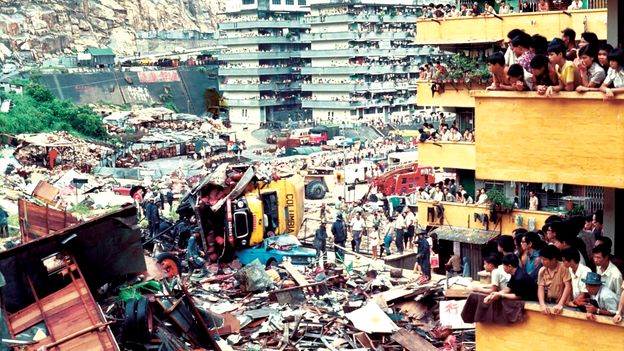
How Hong Kong protects people from dangerous landslides

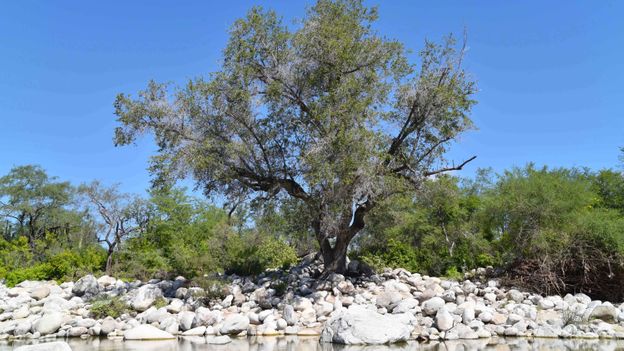
The mystery of Mexico’s vanishing stream oaks


This isn’t just a theoretical concern. Scientists have found what may be evidence of at least one previous limnic eruption at Kivu that likely occurred between 3,500 and 5,000 years ago, and possibly several more recent ones. Sediment cores taken from the bottom of the lake have revealed features known as brown layers that are unlike the surrounding sediments. These sediment bands are “very unusual, organic-rich layers”, Katsev says, that may be the result of eruptions.

Limnic eruptions can occur for two reasons. If the water becomes completely saturated with dissolved gases, any additional CO2 or methane injected into the lake will be forced to bubble out of solution, rise and be released into the air. Eruptions can also be caused when something forces the deep water with its dissolved gases to mix with the layers above, reducing the pressure on the gases and allowing them to quickly come out of solution and escape, similar to the effect of shaking a can of soda and then opening it.

While a landslide of the scale suspected in the Nyos eruption might not cause enough mixing at Kivu, due to the lake’s size and depth, there are several other possible triggers. Kivu is in a seismically active area, so an earthquake could generate waves in the lake that would mix the layers enough to release the trapped gases. Climate is also a potential culprit.

At least one past eruption discovered in the sediment record appears to have been caused by drought that evaporated enough water from the top of the lake to reduce the pressure at the lower levels and release the dissolved gases. Lowered water levels during dry periods could also leave Kivu more vulnerable to disruption from particularly heavy rain. They could flush enough built-up sediment from the many streams feeding into the lake to cause the layers to mix, MacIntyre says.

The chances of such a sequence of events may go up as the planet warms, MacIntyre says. Climate change is expected to bring more rain to East Africa, and “it’s going to come in the form of more extreme rain events with bigger intervals of drought in between”.


Source link

Tags: Africanexplosivelakepower
Previous Post

The sweet symbol of Japanese America

Next Post

The fight to save Cape Cod’s dolphins

Related Posts

Future Planet

How Hong Kong protects people from dangerous landslides

March 11, 2022
Future Planet

The mystery of Mexico’s vanishing stream oaks

March 9, 2022
Future Planet

Why the Dutch embrace floating homes

February 27, 2022
Future Planet

The animals that detect disasters

February 26, 2022
Future Planet

The tiny islands leading the green transition

February 8, 2022
Future Planet

How Dubai is pushing back its encroaching deserts

February 1, 2022

Leave a Reply Cancel reply

Your email address will not be published. Required fields are marked *

Recommended

Pokémon: The Japanese game that went viral

September 8, 2020

What would a truly wild Ireland look like?

February 17, 2021

Popular Post

  • The traditions that could save a nation’s forests

    306 shares
    Share 122 Tweet 77
  • BBC – Travel – Sanbokan: Japan’s rare, sour citrus fruit

    306 shares
    Share 122 Tweet 77
  • The lost generation of ancient trees

    306 shares
    Share 122 Tweet 77
  • The best trees to reduce air pollution

    306 shares
    Share 122 Tweet 77
  • A high-carb diet may explain why Okinawans live so long

    306 shares
    Share 122 Tweet 77
Future

© 2020 JBC - JOOJ Clone ScriptsJOOJ.us.

Navigate Site

  • Home
  • News
  • Sport
  • Reel
  • Worklife
  • Travel
  • Future
  • Culture
  • More

Follow Us

  • Home
  • Future Planet
  • 100 Year Life
  • Best of Future
  • Japan 2020
  • Latest

© 2020 JBC - JOOJ Clone ScriptsJOOJ.us.

Welcome Back!

Login to your account below

Forgotten Password?

Create New Account!

Fill the forms bellow to register

All fields are required. Log In

Retrieve your password

Please enter your username or email address to reset your password.

Log In
Future
More Sites

    MORE

  • Home
  • News
  • Sport
  • Reel
  • Worklife
  • Travel
  • Future
  • Culture
  • More
    • Music
  • Future

    JBC Future