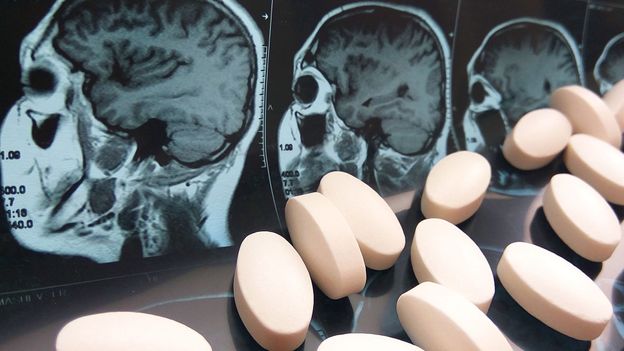
The matter takes on a whole new urgency, when you consider that some personality changes can be dramatic. There’s solid evidence that the drug L-dopa, which is used to treat Parkinson’s disease, increases the risk of Impulse Control Disorders (ICDs) – a group of problems that make it more difficult to resist temptations and urges.
Consequently, the drug can have life-ruining consequences, as some patients suddenly start taking more risks, becoming pathological gamblers, excessive shoppers, and sex pests. In 2009, a drug with similar properties hit the headlines, after a man with Parkinson’s committed a £45,000 ($60,000) ticket scam. He blamed it on his medication, claiming that it had completely changed his personality.
The association with impulsive behaviours makes sense, because L-dopa is essentially providing the brain with a dose of extra dopamine – in Parkinson’s disease the part of the brain that produces it is progressively destroyed – and the hormone is involved in providing us with feelings of pleasure and reward.
Experts agree that L-dopa is the most effective treatment for many of the symptoms of Parkinson’s disease, and it’s prescribed to thousands of people in the US every year. This is despite a long list of possible side effects that accompanies the medication, which explicitly mentions the risk of unusually strong urges, such as for gambling or sex.
In fact, DeRubeis, Golomb and Mischkowski are all of the opinion that the drugs they’re studying will continue to be used, regardless of their potential psychological side-effects. “We are human beings, you know,” says Mischkowski. “We take a lot of stuff that is not necessarily always good in every circumstance. I always use the example of alcohol, because it’s also a painkiller, like paracetamol. We take it because we feel that it has a benefit for us, and it’s OK as long as you take it in the right circumstances and you don’t consume too much.”.
But in order to minimise any undesirable effects and get the most out of the staggering quantities of medications that we all take each day, Mischkowski reiterates that we need to know more. Because at the moment, he says, how they are affecting the behaviour of individuals – and even entire societies – is largely a mystery.
—
Disclaimer
All content within this column is provided for general information only, and should not be treated as a substitute for the medical advice of your own doctor or any other health care professional. The BBC is not responsible or liable for any diagnosis made by a user based on the content of this site. The BBC is not liable for the contents of any external internet sites listed, nor does it endorse any commercial product or service mentioned or advised on any of the sites. Always consult your own GP if you’re in any way concerned about your health.
—
Join one million Future fans by liking us on Facebook, or follow us on Twitter or Instagram.
If you liked this story, sign up for the weekly bbc.com features newsletter, called “The Essential List”. A handpicked selection of stories from BBC Future, Culture, Worklife, and Travel, delivered to your inbox every Friday.