Future
  • Login
  • Home
  • News
  • Sport
  • Reel
  • Worklife
  • Travel
  • Future
  • Culture
  • More
    • Music
Monday, December 8, 2025

FUTURE

  • Home
  • Future Planet
  • 100 Year Life
  • Best of Future
  • Japan 2020
  • Latest
No Result
View All Result
  • Home
  • Future Planet
  • 100 Year Life
  • Best of Future
  • Japan 2020
  • Latest
No Result
View All Result
Future
No Result
View All Result
Home Future Planet

The rhino that became an icon for peace

January 21, 2022
in Future Planet
163 2
0
306
SHARES
2.4k
VIEWS
Share on FacebookShare on Twitter

Related articles

How Hong Kong protects people from dangerous landslides

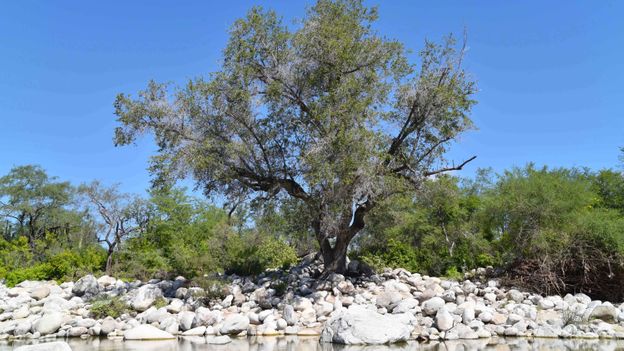
The mystery of Mexico’s vanishing stream oaks


The benefits of tourism for species and environmental conservation are hotly contested. However Banerjee and other conservationists believe that sustainable tourism, and the income it provides, could create a virtuous feedback loop for Manas. “Locals also realise that over-exploiting natural resources in their environs could lead to not only reduced tourism revenues but greater policing by the government,” she remarks. “That is a serious disincentive.” 

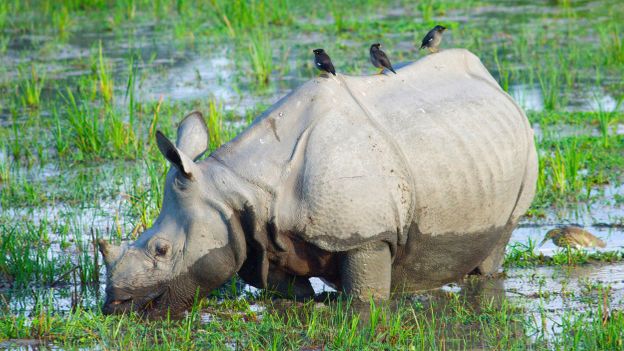
In a state with a per capita GDP of roughly £820 ($1,120) a year, reviving Manas has cost IFAW an estimated $2.5m (£1.9m) so far. Menon says it has been worth it. As “mega-herbivores”, rhinos indicate the health of the Manas grasslands: their presence suggests the habitat is in good ecological condition, providing water, clean air and carbon sequestration. Grassland regeneration has also helped conserve species like the endangered pygmy hog and the world’s rarest bustard, the Bengal florican.

In 2003 when the Bodo Peace Accord was signed, Manas had lost its entire population of rhinos and swamp deer. In 2021 Manas was home to 52 rhinos, 48 tigers, more than 1,000 wild elephants and a number of endangered animals such as clouded leopards, pygmy hogs, hispid hares and Bengal florican.

The Manas model has been proposed as a best practice for World Heritage conservation and management in Unesco, and is spurring conservationists to identify more areas for rewilding elsewhere. “The Rann of Kutch (Gujarat), Sundarbans (West Bengal) or the Western Ghats of Central India could benefit from similar projects,” Banerjee says, provided such projects have the required intensive community support and financial resources.

Meanwhile, with his trusty binoculars and tracking gear in hand, Ontai sets off in pouring rain to track the three rhino calves that were released in April 2021. “Manas is my home,” he says. “If it thrives, we thrive. If it goes, we go.”

—

Join one million Future fans by liking us on Facebook, or follow us on Twitter or Instagram.

If you liked this story, sign up for the weekly bbc.com features newsletter, called “The Essential List”. A handpicked selection of stories from BBC Future, Culture, Worklife, and Travel, delivered to your inbox every Friday.


Source link

Tags: iconpeacerhino
Previous Post

The big question for lithium batteries

Next Post

The environmental case for buying a coal mine

Related Posts

Future Planet

How Hong Kong protects people from dangerous landslides

March 11, 2022
Future Planet

The mystery of Mexico’s vanishing stream oaks

March 9, 2022
Future Planet

Why the Dutch embrace floating homes

February 27, 2022
Future Planet

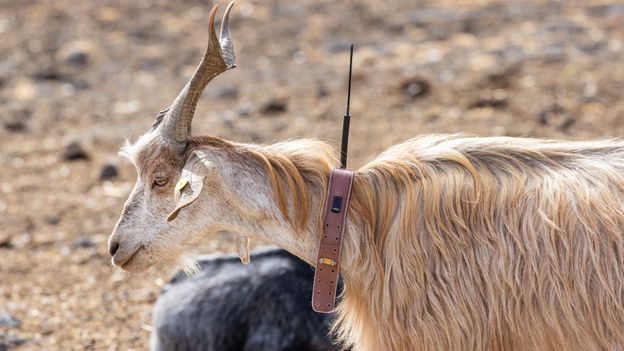
The animals that detect disasters

February 26, 2022
Future Planet

The tiny islands leading the green transition

February 8, 2022
Future Planet

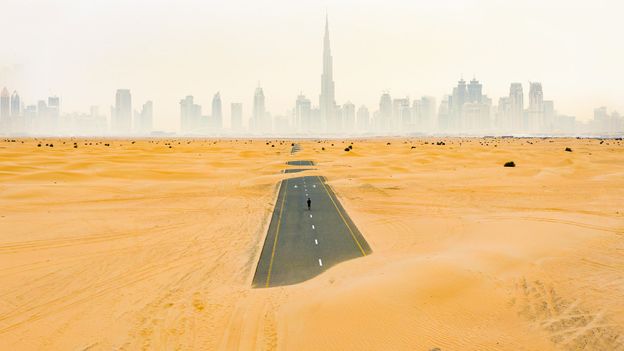
How Dubai is pushing back its encroaching deserts

February 1, 2022

Leave a Reply Cancel reply

Your email address will not be published. Required fields are marked *

Recommended

The environmental case for buying a coal mine

January 26, 2022

Costa Rica’s answer to range anxiety

October 8, 2021

Popular Post

  • The traditions that could save a nation’s forests

    306 shares
    Share 122 Tweet 77
  • BBC – Travel – Sanbokan: Japan’s rare, sour citrus fruit

    306 shares
    Share 122 Tweet 77
  • The lost generation of ancient trees

    306 shares
    Share 122 Tweet 77
  • The best trees to reduce air pollution

    306 shares
    Share 122 Tweet 77
  • A high-carb diet may explain why Okinawans live so long

    306 shares
    Share 122 Tweet 77
Future

© 2020 JBC - JOOJ Clone ScriptsJOOJ.us.

Navigate Site

  • Home
  • News
  • Sport
  • Reel
  • Worklife
  • Travel
  • Future
  • Culture
  • More

Follow Us

  • Home
  • Future Planet
  • 100 Year Life
  • Best of Future
  • Japan 2020
  • Latest

© 2020 JBC - JOOJ Clone ScriptsJOOJ.us.

Welcome Back!

Login to your account below

Forgotten Password?

Create New Account!

Fill the forms bellow to register

All fields are required. Log In

Retrieve your password

Please enter your username or email address to reset your password.

Log In
Future
More Sites

    MORE

  • Home
  • News
  • Sport
  • Reel
  • Worklife
  • Travel
  • Future
  • Culture
  • More
    • Music
  • Future

    JBC Future