

































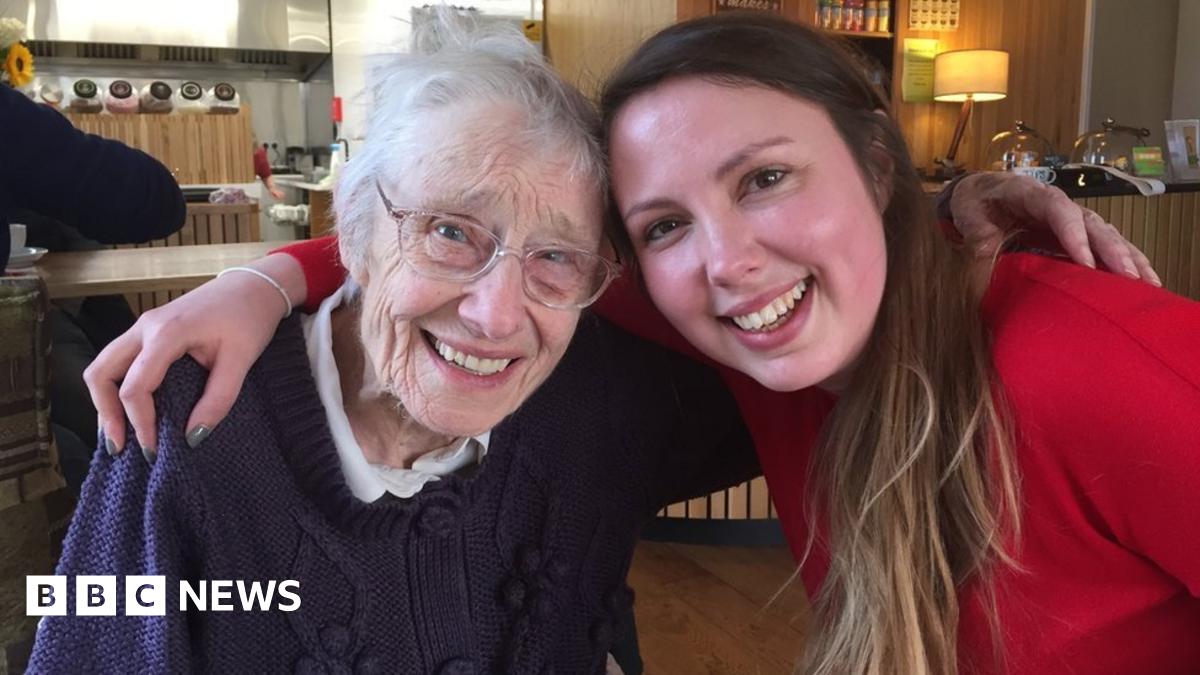
Rita had been in the home, Homestead House in Norwich, since the start of the year. It began as temporary respite care, but morphed into a permanent arrangement. Then coronavirus came along, and scuppered all the family’s hopes for the part they would play in Rita’s care in her final years.
With the home in lockdown, at first visitors could get no further than the car park, with Anna and Rita separated by a glass door, speaking to each other by telephone.
Later, visits were limited to one person visiting every two weeks, at a distance of 2m and wearing full personal protective equipment (PPE).
It was a far cry from Rita’s early weeks in the home, when Anna had even been able to help bathe her grandmother.
Although it had been an agonising decision for the family to place her there, Rita agreed it was the best care option for her, because everyone in the family was leading such busy and complicated lives. And she says she enjoyed living in the home, and making friends with the other residents.
For years she’d been cared for by her son, John, Anna’s father, but he developed serious health problems and eventually had to have a leg amputated. For a while he struggled even to look after himself. A spell in hospital for Rita also exacerbated her problems; it was noticeable that her dementia was growing worse.