




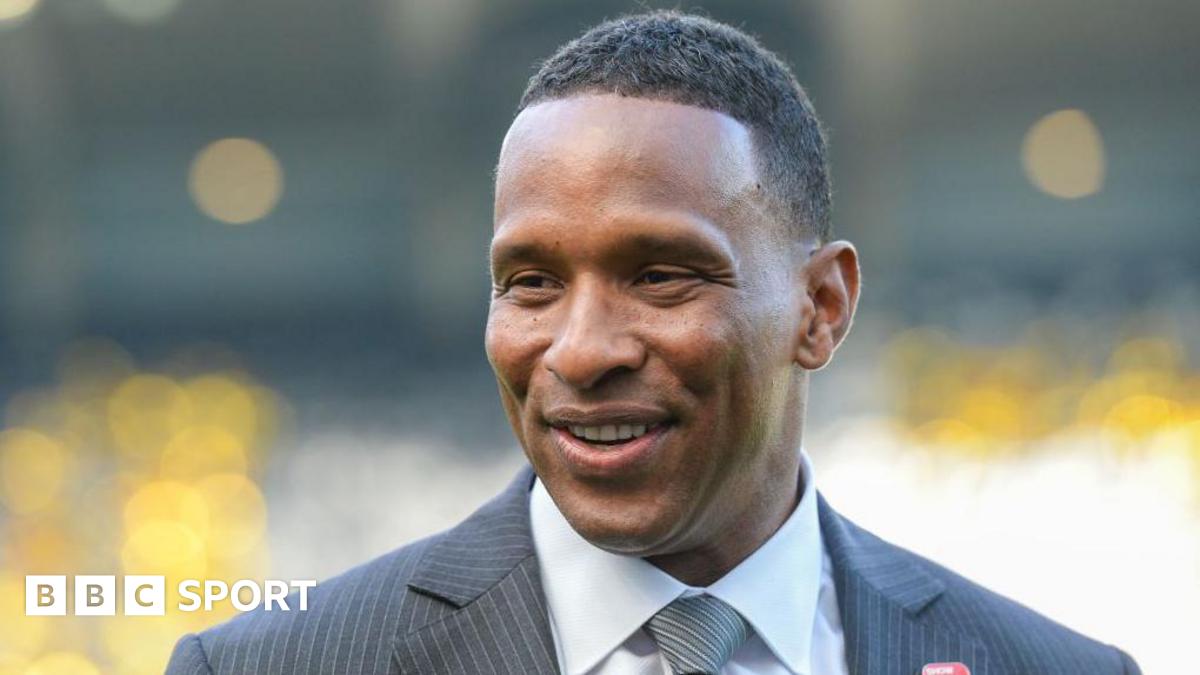
Hislop is not the first former professional athlete to urge the NHS to change its testing regime.
In 2024, six-time Olympic gold medalist Sir Chris Hoy told the BBC it would be a “no-brainier” to lower the age that males are eligible to request PSA tests.
The previous year, Hoy, 49, was diagnosed with prostate cancer which had spread to his bones. He was told he had between two and four years to live.
In November 2025, the UK National Screening Committee decided against recommending mass screening on the NHS for prostate cancer, saying the main screening test for prostate cancer is “not very reliable” and as a result, can lead to “over-diagnosis and unnecessary treatment”.
Speaking to Naga Munchetty on BBC Radio 5 Live on Tuesday, health secretary Wes Streeting said the government is “still considering and weighing up the evidence.”
“It’s not done and dusted,” he added. “On one hand we know there are massive health inequalities in this space, for black men in particular. On the other hand what we wouldn’t want, in pursuit of expanding treatment, is to end up in another situation where we’ve got a bunch of men walking around impotent or incontinent because we’ve over-treated or unnecessarily treated.”
Hislop is hoping that by ex-athletes documenting their battles against prostate cancer, it will increase the “education” around diagnosis.
“Cancer can affect anyone,” added Hislop. “The earlier you catch it – whatever the cancer is – the better your chance of survival. So knowledge is key here. Knowledge around your own health is absolutely key.
“The other side to that is, if and when you do get that cancer diagnosis, that does not mean it’s the end of life. That is not a life sentence.
“If you catch it early enough, and again this goes back to the education around it, around early testing, you can still live a full and very long life. That’s certainly my expectation now.
“When the likes of Sir Chris Hoy, who again, keeping himself in shape, former athlete, is not caught early enough, the diagnosis can be very dire.
“So there are two sides to this: education around who can get cancer – and the short answer to that is anyone – and then just recognising that you’re part of that group of anyone, and getting tested for it, because the earlier you catch it, the better your chances of living as full a life as ever before.
“So those two things I think are important to know, to understand, to recognise and to speak about.”
This interview is part of BBC Radio 5 Live’s You, Me and the Big C legacy day, and you can listen to a brand new episode of the You, Me and the Big C podcast – now available on BBC Sounds.