


Travel
  • Login
  • Home
  • News
  • Sport
  • Worklife
  • Reel
  • Travel
  • Culture
  • Future
  • More
    • Music
No Result
View All Result
Monday, December 8, 2025

TRAVEL

  • Home
  • Culture

    BBC – Travel – Why wild swimming is Britain’s new craze

    BBC – Travel – The Indian way to ‘maximise value’

    BBC – Travel – The woman who walked around the world

    BBC – Travel – How Vienna built a gender equal city

    BBC – Travel – Europe’s language that few speak

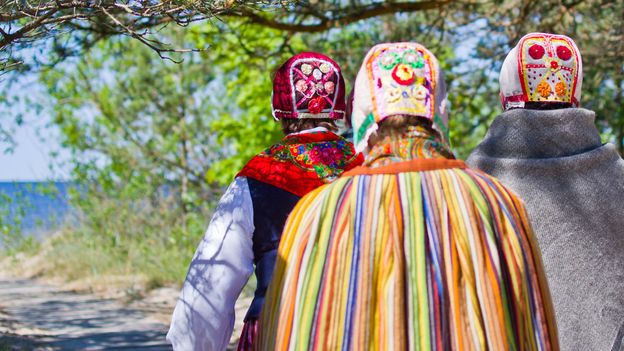
    BBC – Travel – Kihnu: Europe’s last surviving matriarchy

  • Food & Drink

    BBC – Travel – Alaska’s ‘mushroom of immortality’

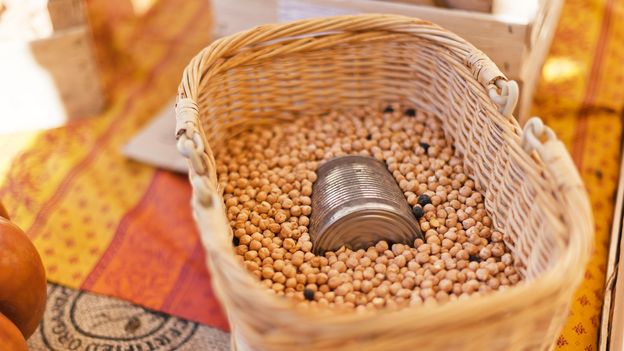
    BBC – Travel – The star legume of southern France

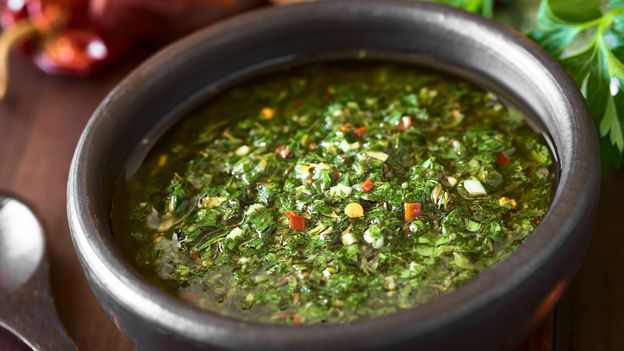
    BBC – Travel – Chimichurri: The Argentinian sauce eaten as a ritual

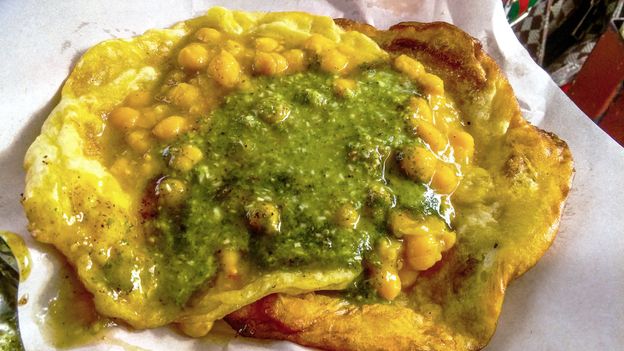
    BBC – Travel – Doubles: Trinidad’s addictively spicy street snack

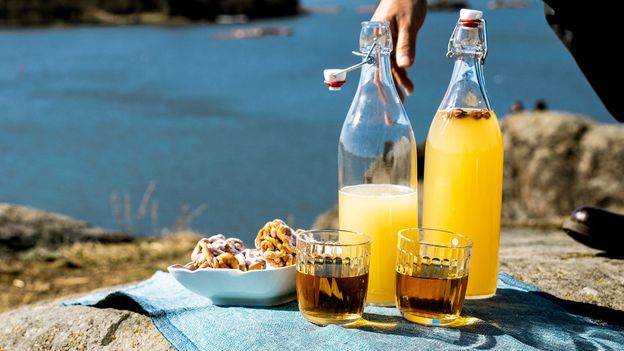
    BBC – Travel – A Finnish drink with a heroic past

    BBC – Travel – The secret history of Angostura Bitters

  • Discovery
  • Destinations
    • All
    • Africa
    • Antarctica
    • Asia
    • Australia & Pacific
    • Caribbean & Bermuda
    • Central America
    • Europe
    • Middle East
    • North America
    • South America

    BBC – Travel – Funazushi: The fermented predecessor of modern sushi

    Why Brazil fell in love with beans

    BBC – Travel – Where a meal without beans is incomplete

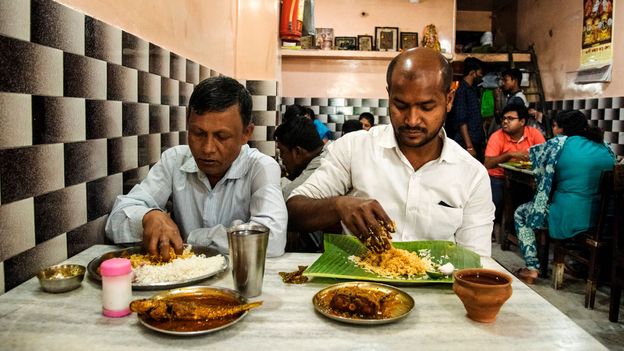
    BBC – Travel – Pice hotels: A lifeline for Kolkata’s hungry workers

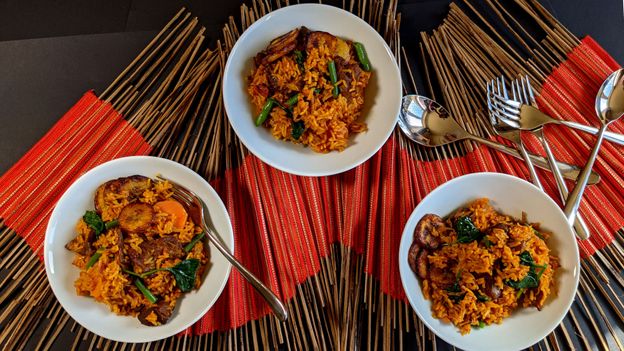
    BBC – Travel – Jollof Wars: Who does West Africa’s iconic rice dish best?

    BBC – Travel – South Africa’s language spoken in 45 ‘clicks’

    Trending Tags

    • AfroCaribbean
    • Brazils
    • Nebraska
    • gastronomy
    • California
    • Travel
    • Australia
    • tradition
  • Experience
28 °c
Denpasar
26 ° Sun
26 ° Mon
26 ° Tue
25 ° Wed
Travel
No Result
View All Result

BBC – Travel – The New Zealand river that became a legal person

May 22, 2020
in Australia & Pacific, Destinations
3 min read
647 20
0
Home Destinations Australia & Pacific


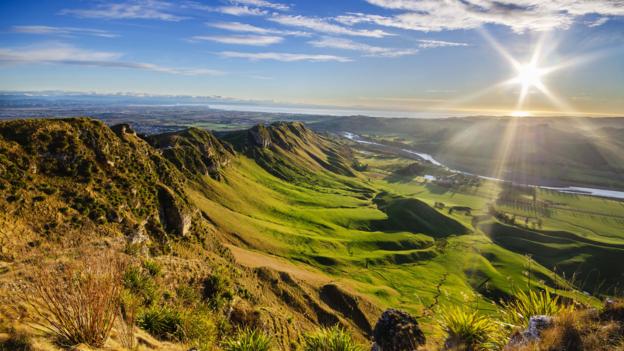
Flowing through the heart of New Zealand’s North Island, the Whanganui River is one of the country’s most important natural resources. The river begins its 290km journey on the snowy north-western side of the Mount Tongariro active volcano, winding between green hills and mountains until it meets the Tasman Sea. Revered for centuries by the Whanganui tribes – who take their name, spirit and strength from the river they live near – it became the first river in the world to be recognised as a legal person in 2017, bringing closure to one of New Zealand’s longest-running court cases.

Our coverage during coronavirus

While travelling is on hold due to the coronavirus outbreak, BBC Travel will continue to inform and inspire our readers who want to learn about the world as much as they want to travel there, offering stories that celebrate the people, places and cultures that make this world so wonderfully diverse and amazing.

For travel information and stories specifically related to coronavirus, please read the latest updates from our colleagues at BBC News.

The Maori, the indigenous Polynesian people of New Zealand, had been fighting for more than 160 years to get legal protection for the river. The Whanganui tribes have nurtured a deep connection with the waterway for at least 880 years – more than 700 years before European settlers arrived. They have relied on it for much of their food, travelled it by canoe and built villages on its banks.

In Maori culture, tupuna, or “ancestors”, live on in the natural world and it is the community’s duty to protect both the landscape they inherited and those who came before them. Humans and water are especially believed to be intertwined – a traditional saying is, “I am the river, the river is me”. Having the river recognised as a legal person means harming it is the same as harming the tribe. If there is any kind of abuse or threat to its waters, such as pollution or unauthorised activities, the river can sue. It also means it can own property, enter contracts and be sued itself.

Environmental personhood has been studied as a way of protecting nature since at least the 1970s. In his book Should Trees Have Standing?, American law professor Christopher D Stone argued that environmental interests should be recognised apart from human ones. His work influenced Maori academics James Morris and Jacinta Ruru, who wrote Giving Voice to Rivers, making a case for why waterways in New Zealand should be seen as legal people.

The Whanganui River is not the only instance of a natural resource being granted legal personhood in New Zealand. In 2014, the Te Urewera park, the ancestral home of the Tuhoe people, became the first natural feature in the country to be recognised as a legal person. In 2018, Mount Taranaki – a 120,000 year-old stratovolcano sacred to the Maori – was awarded the same status. But the Whanganui River has been perhaps the most influential: following the decision in 2017, the Ganges and Yamuna rivers in India and all rivers in Bangladesh also received legal rights – although, in India, the decision was later revoked.

(Video by Kate Evans; text by Luana Harumi)

This video is part of BBC Reel’s Sustainable Future playlist.

Join more than three million BBC Travel fans by liking us on Facebook, or follow us on Twitter and Instagram.

If you liked this story, sign up for the weekly bbc.com features newsletter called “The Essential List”. A handpicked selection of stories from BBC Future, Culture, Worklife and Travel, delivered to your inbox every Friday.

Source link

Tags: BBClegalpersonriverTravelZealand
Share153Tweet96Share38
admin

admin

Next Post

BBC - Travel - Lord Howe: Australia’s most exclusive island?

Leave a Reply Cancel reply

Your email address will not be published. Required fields are marked *

Popular

  • BBC – Travel – Japan’s forgotten indigenous people

    383 shares
    Share 153 Tweet 96
  • BBC – Travel – Four countries with a tradition of kindness

    383 shares
    Share 153 Tweet 96
  • BBC – Travel – Why is New Zealand so progressive?

    383 shares
    Share 153 Tweet 96
  • BBC – Travel – Why only Quebec can claim poutine

    383 shares
    Share 153 Tweet 96
  • BBC – Travel – A mysterious US desert civilisation

    383 shares
    Share 153 Tweet 96
  • Trending
  • Comments
  • Latest

BBC – Travel – Japan’s forgotten indigenous people

May 22, 2020

BBC – Travel – Four countries with a tradition of kindness

May 22, 2020

BBC – Travel – Why is New Zealand so progressive?

May 22, 2020

BBC – Travel – Why only Quebec can claim poutine

May 6, 2021

BBC – Travel – Japan’s forgotten indigenous people

0

BBC – Travel – Why is New Zealand so progressive?

0

BBC – Travel – Say hello to the world’s new greetings

0

BBC – Travel – Japan’s formula for life satisfaction

0

BBC – Travel – Funazushi: The fermented predecessor of modern sushi

June 17, 2021

Why Brazil fell in love with beans

June 16, 2021

BBC – Travel – Where a meal without beans is incomplete

June 15, 2021

BBC – Travel – Alaska’s ‘mushroom of immortality’

June 10, 2021
Travel

© 2020 JBC - JOOJ Clone ScriptsJOOJ.us.

Explore the JBC

  • Home
  • News
  • Sport
  • Worklife
  • Reel
  • Travel
  • Culture
  • Future
  • More

Follow Us

No Result
View All Result
  • Home
  • Culture
  • Food & Drink
  • Discovery
  • Destinations
  • Experience

© 2020 JBC - JOOJ Clone ScriptsJOOJ.us.

Welcome Back!

Login to your account below

Forgotten Password?

Create New Account!

Fill the forms bellow to register

All fields are required. Log In

Retrieve your password

Please enter your username or email address to reset your password.

Log In
Travel
More Sites

    MORE

  • Home
  • News
  • Sport
  • Worklife
  • Reel
  • Travel
  • Culture
  • Future
  • More
    • Music
  • Travel

    JBC Travel