






Travel
  • Login
  • Home
  • News
  • Sport
  • Worklife
  • Reel
  • Travel
  • Culture
  • Future
  • More
    • Music
No Result
View All Result
Monday, December 8, 2025

TRAVEL

  • Home
  • Culture

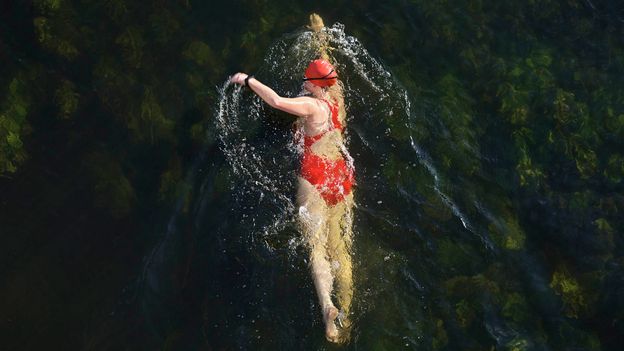
    BBC – Travel – Why wild swimming is Britain’s new craze

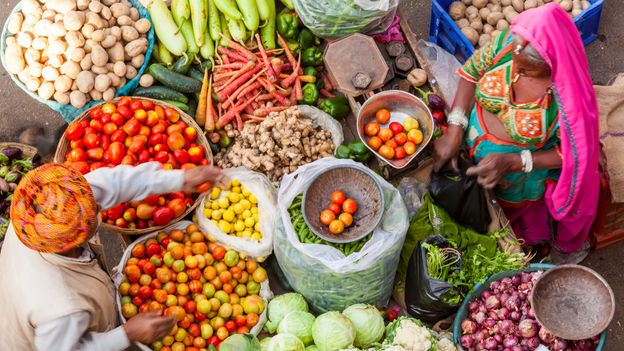
    BBC – Travel – The Indian way to ‘maximise value’

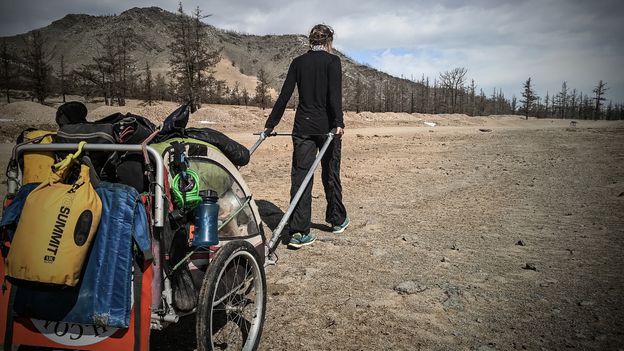
    BBC – Travel – The woman who walked around the world

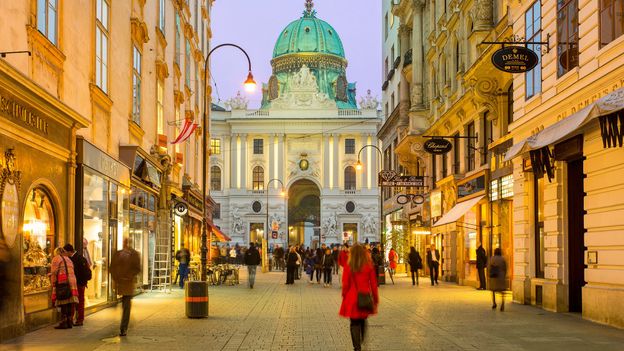
    BBC – Travel – How Vienna built a gender equal city

    BBC – Travel – Europe’s language that few speak

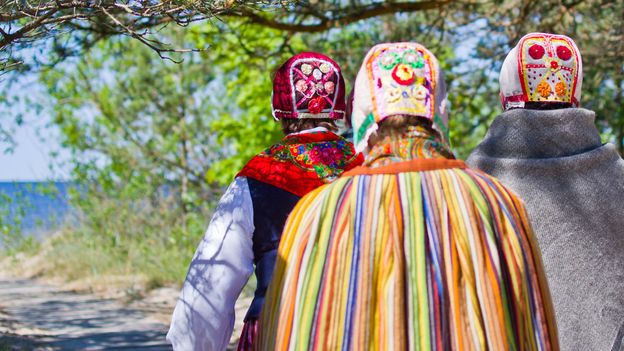
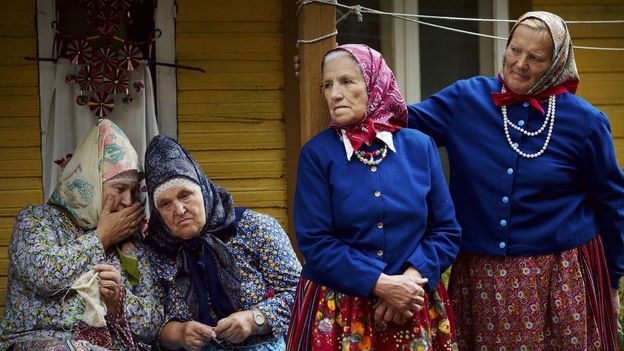
    BBC – Travel – Kihnu: Europe’s last surviving matriarchy

  • Food & Drink

    BBC – Travel – Alaska’s ‘mushroom of immortality’

    BBC – Travel – The star legume of southern France

    BBC – Travel – Chimichurri: The Argentinian sauce eaten as a ritual

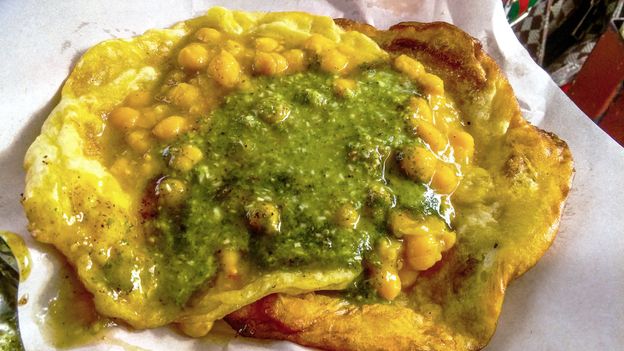
    BBC – Travel – Doubles: Trinidad’s addictively spicy street snack

    BBC – Travel – A Finnish drink with a heroic past

    BBC – Travel – The secret history of Angostura Bitters

  • Discovery
  • Destinations
    • All
    • Africa
    • Antarctica
    • Asia
    • Australia & Pacific
    • Caribbean & Bermuda
    • Central America
    • Europe
    • Middle East
    • North America
    • South America

    BBC – Travel – Funazushi: The fermented predecessor of modern sushi

    Why Brazil fell in love with beans

    BBC – Travel – Where a meal without beans is incomplete

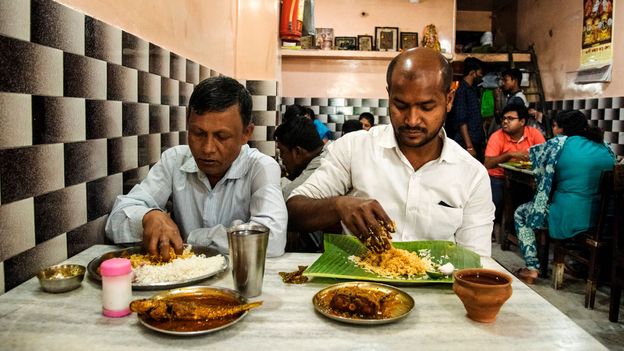
    BBC – Travel – Pice hotels: A lifeline for Kolkata’s hungry workers

    BBC – Travel – Jollof Wars: Who does West Africa’s iconic rice dish best?

    BBC – Travel – South Africa’s language spoken in 45 ‘clicks’

    Trending Tags

    • AfroCaribbean
    • Brazils
    • Nebraska
    • gastronomy
    • California
    • Travel
    • Australia
    • tradition
  • Experience
28 °c
Denpasar
26 ° Sun
26 ° Mon
26 ° Tue
25 ° Wed
Travel
No Result
View All Result

BBC – Travel – An ancient ‘lost city’ teeming with life

September 2, 2020
in Discovery
3 min read
660 7
0
Home Discovery


Located in the eastern-most corner of Honduras and the northern tip of Nicaragua, the dense tropical forest of La Mosquitia is one of the largest rainforests in Central America and – until recently – one of the last scientifically explored places on Earth. In 2013, archaeologists using LIDAR (light detection and ranging) mapping technology unearthed the remains of an ancient, “lost city” buried within its depths.

Ever since, researchers have been studying this dense jungle, looking not only for more of the ancient Mesoamerican city’s remains, but also scouring its untouched terrain in search of wildlife. What they recently found was greater than they had anticipated: a rich ecosystem teeming with hundreds of species of fauna and flora – some of which had been previously believed to be extinct.

In 2017, led by Conservation International’s Rapid Assessment Program in a partnership with the Government of Honduras, a team of biologists spent two weeks in the jungle researching and cataloguing the many rare and endangered species that have found the watershed of the River Plátano, which runs through the rainforest, to be the perfect environment to thrive in. Findings in La Mosquitia include 22 species of plants and animals that had never been recorded in Honduras before and three species of animals that were thought to have vanished from the country: the pale-faced bat, the false tree coral snake and a tiger beetle that had only been seen in Nicaragua and was presumed to be extinct.

In total, researchers documented hundreds of species of plants, butterflies and moths, birds, amphibians, reptiles, fish and mammals – with a great presence of cats, such as jaguars, pumas, ocelots, jaguarundis and margays – living in the rainforest.

The main explanation for such diversity is that the area remained practically untouched by humans for centuries after the ancestors of indigenous communities who now live in the region inexplicably left the ancient city that once stood there.

The 865,000-acre forest is mostly covered by dense 25- to 35m-tall trees, with some even reaching 50m, and as such, it isn’t easily accessible. Researchers had to be flown in by helicopters and be protected by armed soldiers; the foliage is so thick they had to hack their way through with machetes. The area also comprises the Río Plátano Biosphere Reserve, the largest protected area in Honduras and a Unesco World Heritage site.

In addition to housing so much wildlife, La Mosquitia is also an important greenhouse gas-emissions absorbent. However, the region has been threatened by animal trafficking and deforestation – 90% of the damage in the rainforest is caused by illegal cattle ranching, which is also heavily driven by drug trafficking in the region.

In an effort to preserve the area, the rainforest is now partially guarded and patrolled by the Honduran military. In 2018, the government launched a programme to protect both the forest and the remains of the ancient city, which remained untouched and unlooted for generations – something uncommon for any historical site in Central America.

(Videos by Elizabeth Pustinger; text by Luana Harumi)

This video is part of BBC Reel’s World of Wonder playlist.

Join more than three million BBC Travel fans by liking us on Facebook, or follow us on Twitter and Instagram.

If you liked this story, sign up for the weekly bbc.com features newsletter called “The Essential List”. A handpicked selection of stories from BBC Future, Culture, Worklife and Travel, delivered to your inbox every Friday.

Source link

Tags: ancientBBCcitylifelostteemingTravel
Share153Tweet96Share38
admin

admin

Next Post

BBC - Travel - An Indian meal with more than 60 dishes

Leave a Reply Cancel reply

Your email address will not be published. Required fields are marked *

Popular

  • BBC – Travel – Japan’s forgotten indigenous people

    383 shares
    Share 153 Tweet 96
  • BBC – Travel – Four countries with a tradition of kindness

    383 shares
    Share 153 Tweet 96
  • BBC – Travel – Why is New Zealand so progressive?

    383 shares
    Share 153 Tweet 96
  • BBC – Travel – Why only Quebec can claim poutine

    383 shares
    Share 153 Tweet 96
  • BBC – Travel – A mysterious US desert civilisation

    383 shares
    Share 153 Tweet 96
  • Trending
  • Comments
  • Latest

BBC – Travel – Japan’s forgotten indigenous people

May 22, 2020

BBC – Travel – Four countries with a tradition of kindness

May 22, 2020

BBC – Travel – Why is New Zealand so progressive?

May 22, 2020

BBC – Travel – Why only Quebec can claim poutine

May 6, 2021

BBC – Travel – Japan’s forgotten indigenous people

0

BBC – Travel – Why is New Zealand so progressive?

0

BBC – Travel – Say hello to the world’s new greetings

0

BBC – Travel – Japan’s formula for life satisfaction

0

BBC – Travel – Funazushi: The fermented predecessor of modern sushi

June 17, 2021

Why Brazil fell in love with beans

June 16, 2021

BBC – Travel – Where a meal without beans is incomplete

June 15, 2021

BBC – Travel – Alaska’s ‘mushroom of immortality’

June 10, 2021
Travel

© 2020 JBC - JOOJ Clone ScriptsJOOJ.us.

Explore the JBC

  • Home
  • News
  • Sport
  • Worklife
  • Reel
  • Travel
  • Culture
  • Future
  • More

Follow Us

No Result
View All Result
  • Home
  • Culture
  • Food & Drink
  • Discovery
  • Destinations
  • Experience

© 2020 JBC - JOOJ Clone ScriptsJOOJ.us.

Welcome Back!

Login to your account below

Forgotten Password?

Create New Account!

Fill the forms bellow to register

All fields are required. Log In

Retrieve your password

Please enter your username or email address to reset your password.

Log In
Travel
More Sites

    MORE

  • Home
  • News
  • Sport
  • Worklife
  • Reel
  • Travel
  • Culture
  • Future
  • More
    • Music
  • Travel

    JBC Travel