

Travel
  • Login
  • Home
  • News
  • Sport
  • Worklife
  • Reel
  • Travel
  • Culture
  • Future
  • More
    • Music
No Result
View All Result
Wednesday, December 10, 2025

TRAVEL

  • Home
  • Culture

    BBC – Travel – Why wild swimming is Britain’s new craze

    BBC – Travel – The Indian way to ‘maximise value’

    BBC – Travel – The woman who walked around the world

    BBC – Travel – How Vienna built a gender equal city

    BBC – Travel – Europe’s language that few speak

    BBC – Travel – Kihnu: Europe’s last surviving matriarchy

  • Food & Drink

    BBC – Travel – Alaska’s ‘mushroom of immortality’

    BBC – Travel – The star legume of southern France

    BBC – Travel – Chimichurri: The Argentinian sauce eaten as a ritual

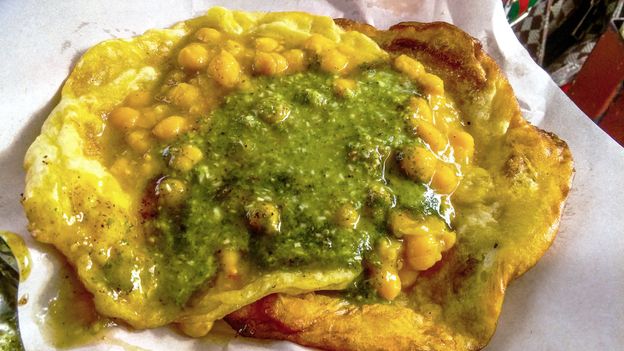
    BBC – Travel – Doubles: Trinidad’s addictively spicy street snack

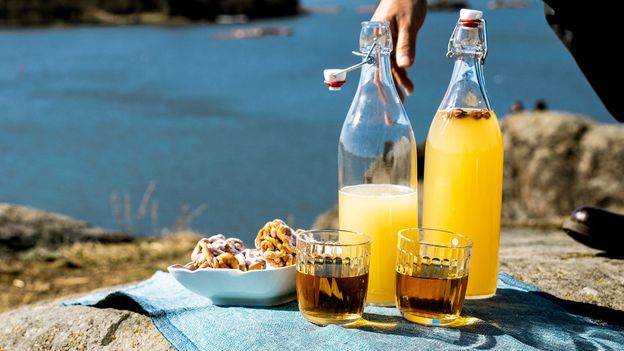
    BBC – Travel – A Finnish drink with a heroic past

    BBC – Travel – The secret history of Angostura Bitters

  • Discovery
  • Destinations
    • All
    • Africa
    • Antarctica
    • Asia
    • Australia & Pacific
    • Caribbean & Bermuda
    • Central America
    • Europe
    • Middle East
    • North America
    • South America

    BBC – Travel – Funazushi: The fermented predecessor of modern sushi

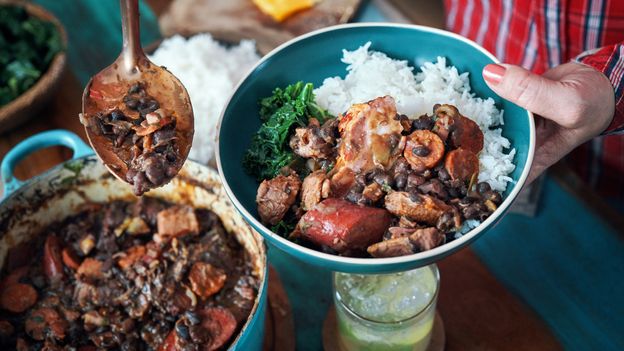
    Why Brazil fell in love with beans

    BBC – Travel – Where a meal without beans is incomplete

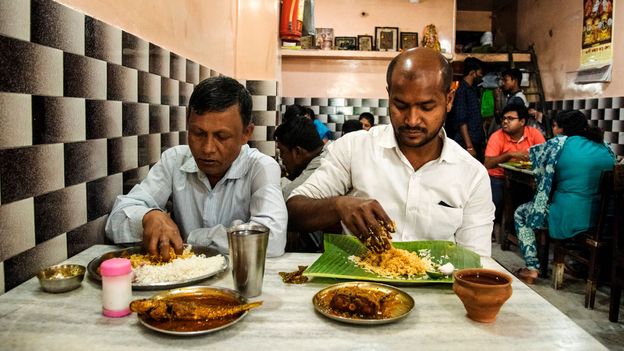
    BBC – Travel – Pice hotels: A lifeline for Kolkata’s hungry workers

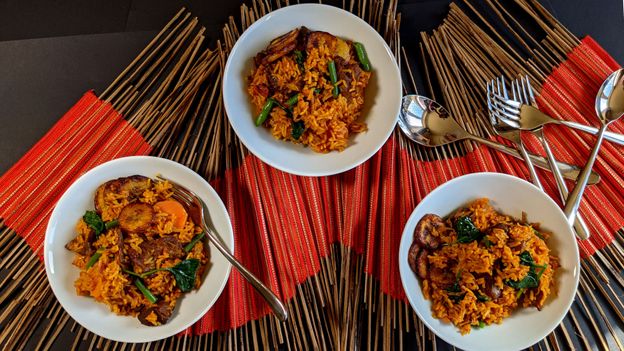
    BBC – Travel – Jollof Wars: Who does West Africa’s iconic rice dish best?

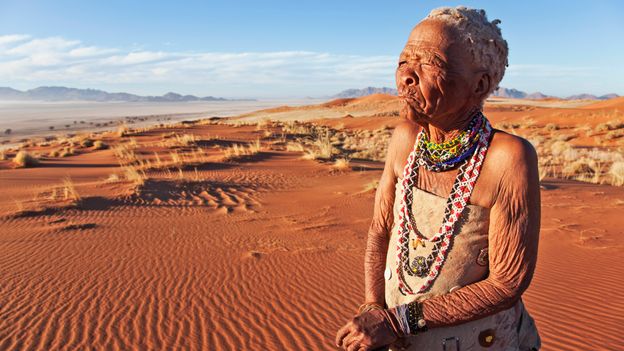
    BBC – Travel – South Africa’s language spoken in 45 ‘clicks’

    Trending Tags

    • AfroCaribbean
    • Brazils
    • Nebraska
    • gastronomy
    • California
    • Travel
    • Australia
    • tradition
  • Experience
28 °c
Denpasar
26 ° Sun
26 ° Mon
26 ° Tue
25 ° Wed
Travel
No Result
View All Result

BBC – Travel – Spain’s mysterious mummies

September 4, 2020
in Discovery
3 min read
627 40
0
Home Discovery


The Canary Islands’ subtropical climate, aquamarine waters and otherworldly volcanic and desert landscapes led more than 15 million people to visit the archipelago last year. The islands are considered the southernmost region of Spain, with their easternmost point located just 100km west of Morocco. But long before the first Spanish settlers arrived to the islands in the 1470s, another civilisation was already thriving there: the Guanches.

The Guanches’ origins have long been debated and speculated by archaeologists and historians. Some theorise they were descendants of the Celts, or perhaps the Vikings. Others believe they could even be descended from the mythical inhabitants of Atlantis. A 2019 study of the DNA from ancient mummies from the islands, however, revealed they were most likely Berbers from North Africa, who arrived there around 100AD or even earlier.

How exactly the Guanches reached the archipelago remains unclear. One theory suggests they crossed in small vessels, landing in the islands of Lanzarote and Fuerteventura. And although the number of settlers also remains a mystery, studies estimate that 14 couples would have been enough to populate the archipelago.

Archaeological studies suggest the Guanches were organised in a tribal society, where chieftains or kings ruled almost absolutely. They relied on farming, hunting and gathering, and their diet included milk, goat, pork and fruits. They mainly dressed in goat-skin leather tunics and vests made of plaited rushes and lived in caves or simple low-stone houses.

They adapted caves and grottoes to be used as silos and temples. Some of those structures have been preserved to this day and indicate the Guanches’ sophisticated astronomical knowledge: holes on the caves’ walls allowed sunlight in at certain positions during different times of the year, marking solstices and equinoxes.

One of the most noteworthy of those structures is Risco Caído, a settlement that consists of 21 caves excavated on a volcanic tuff about 100m high above the Barraco Hondo River in the island of Gran Canaria. The site is believed to have been used as a silo, a temple and a place for astronomical observation, with holes that allowed sunlight and moonlight to enter the caves and illuminate symbolic drawings on the walls. In 2019, Risco Caído became the first Unesco World Heritage site in the Canary Islands.

(Video by Fernando Teixeira & Izabela Cardoso; text by Luana Harumi)

This video is part of BBC Reel’s Hidden Histories playlist.

Join more than three million BBC Travel fans by liking us on Facebook, or follow us on Twitter and Instagram.

If you liked this story, sign up for the weekly bbc.com features newsletter called “The Essential List”. A handpicked selection of stories from BBC Future, Culture, Worklife and Travel, delivered to your inbox every Friday.

Source link

Tags: BBCmummiesmysteriousSpainsTravel
Share153Tweet96Share38
admin

admin

Next Post

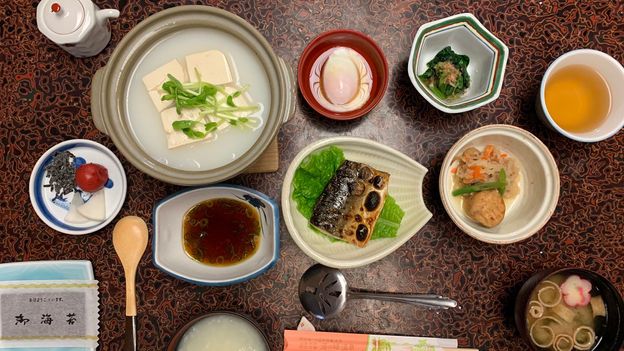
BBC - Travel - The Japanese village that cooks in a hot spring

Leave a Reply Cancel reply

Your email address will not be published. Required fields are marked *

Popular

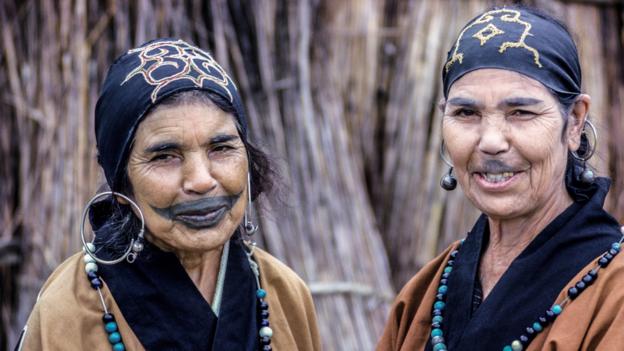
  • BBC – Travel – Japan’s forgotten indigenous people

    383 shares
    Share 153 Tweet 96
  • BBC – Travel – Four countries with a tradition of kindness

    383 shares
    Share 153 Tweet 96
  • BBC – Travel – Why is New Zealand so progressive?

    383 shares
    Share 153 Tweet 96
  • BBC – Travel – Why only Quebec can claim poutine

    383 shares
    Share 153 Tweet 96
  • BBC – Travel – A mysterious US desert civilisation

    383 shares
    Share 153 Tweet 96
  • Trending
  • Comments
  • Latest

BBC – Travel – Japan’s forgotten indigenous people

May 22, 2020

BBC – Travel – Four countries with a tradition of kindness

May 22, 2020

BBC – Travel – Why is New Zealand so progressive?

May 22, 2020

BBC – Travel – Why only Quebec can claim poutine

May 6, 2021

BBC – Travel – Japan’s forgotten indigenous people

0

BBC – Travel – Why is New Zealand so progressive?

0

BBC – Travel – Say hello to the world’s new greetings

0

BBC – Travel – Japan’s formula for life satisfaction

0

BBC – Travel – Funazushi: The fermented predecessor of modern sushi

June 17, 2021

Why Brazil fell in love with beans

June 16, 2021

BBC – Travel – Where a meal without beans is incomplete

June 15, 2021

BBC – Travel – Alaska’s ‘mushroom of immortality’

June 10, 2021
Travel

© 2020 JBC - JOOJ Clone ScriptsJOOJ.us.

Explore the JBC

  • Home
  • News
  • Sport
  • Worklife
  • Reel
  • Travel
  • Culture
  • Future
  • More

Follow Us

No Result
View All Result
  • Home
  • Culture
  • Food & Drink
  • Discovery
  • Destinations
  • Experience

© 2020 JBC - JOOJ Clone ScriptsJOOJ.us.

Welcome Back!

Login to your account below

Forgotten Password?

Create New Account!

Fill the forms bellow to register

All fields are required. Log In

Retrieve your password

Please enter your username or email address to reset your password.

Log In
Travel
More Sites

    MORE

  • Home
  • News
  • Sport
  • Worklife
  • Reel
  • Travel
  • Culture
  • Future
  • More
    • Music
  • Travel

    JBC Travel