Worklife
  • Login
  • Home
  • News
  • Sport
  • Reel
  • Worklife
  • Travel
  • Future
  • Culture
  • More
    • Music
Wednesday, December 10, 2025

WORKLIFE

  • Home
  • About Us
  • Remote Control
  • Collective Intelligence
  • Beyond the 9-to-5
  • Worklife 101
  • More
    • Psychology
    • Productivity
    • Technology
    • Japan
    • Time Hackers
No Result
View All Result
WORKLIFE
No Result
View All Result
Home Remote Control

What outdoor space tells us about inequality

September 2, 2020
in Remote Control
2 min read
287 22
0
1.2k
VIEWS
Share on FacebookShare on Twitter


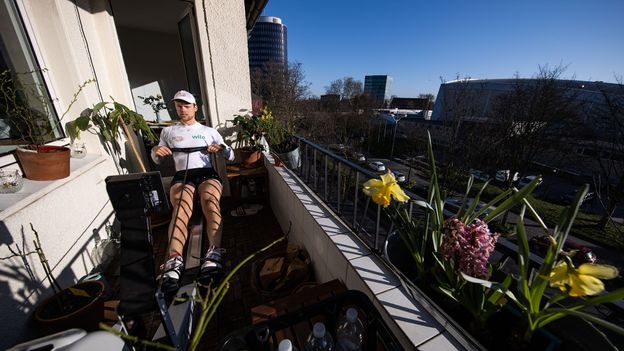
Most NYCHA buildings lack outdoor space, plus many of the buildings are ageing rapidly, with potentially huge maintenance costs – meaning any solutions need to be creative. “We are looking at strategies that would allow new balconies to perform multiple functions and piggyback on NYCHA maintenance efforts that are already underway,” says Rich.

Nesbitt says changes don’t have to be so radical; even “view corridors” to parks from your home could help. Extra flowers on the street could work, too, because we can’t go to the park every day. “Especially if we’re busy, or a single parent, or low income and we have to work a couple [of] jobs. You’re not going to be in the park five blocks from your house – you will be walking down the street in front of your house, and that contact with nature is important.”

A renewed conversation

Of course, trying to increase access to outdoor space has been a goal of cities way before Covid-19 struck. But the conversation has taken on greater intensity since the pandemic has exposed just how unequal access can be. It’s not yet been possible to quantify the mental-health toll of long weeks of lockdown, and any correlation with access to outdoor space. But we do know that isolation is bad for everyone’s mental health, and that people who lost incomes or had low incomes to begin with experienced more stress. “Covid continues to spotlight where these inequities are and what they look like,” says Burrowes.

Experts hope this will accelerate pre-pandemic trends: a push for more balconies, better community gardens and easier entry points to parks. But this must come from city governments prioritising them. “We can have good housing and good access to nature – not one or the other,” says Nesbitt. “In the pandemic, that relationship with nature is really important.”

Kgama, meanwhile, is finally managing to get some fresh air – in Charlotte, North Carolina. She and her family bought plane tickets for $15 each and will fly down for a weeklong getaway. But she wishes it was even longer. If a second wave of Covid cases hits New York, it’ll mean being cooped up inside for months all over again. “If I could, we would’ve left for the whole summer,” she says.

Source link

Related articles

Why the ‘Great Remote Work Experiment’ may have been flawed

The companies sliding into workers’ personal DMs

Tags: inequalityoutdoorspacetells
admin

admin

Related Posts

Why the ‘Great Remote Work Experiment’ may have been flawed

by admin
August 16, 2021
0

Nicholas Bloom, professor of economics at Stanford University in California, points to “three golden rules” that, pre-pandemic, were believed to be crucial for successful remote...

The companies sliding into workers’ personal DMs

by admin
August 12, 2021
0

‘The anti-behaviours’ Ultimately, a company’s communication will be shaped by the laxity of a social media platform – and, generally speaking, that’s a bad omen...

Why introverts excelled at working from home

by admin
July 20, 2021
0

Wortman Ploetz says many who know her might be surprised that she describes herself as an introvert. She spends a lot of time in meetings...

The digital body language cues you send – or don’t send

by admin
July 16, 2021
0

There’s no easy way around that – in Dhawan’s view, we have to accept that video calls will involve a certain a wkwardness. But she...

Is the great digital-nomad workforce actually coming?

by admin
June 24, 2021
0

And even among the well-paid, white, knowledge-economy workers that make up the majority of teleworkers, the only people who could truly become digital nomads –...

Next Post

How to make high-stakes decisions

How anxiety affects your focus

Why Finland leads the world in flexible work

Leave a Reply Cancel reply

Your email address will not be published. Required fields are marked *

CATEGORIES

  • About us
  • Beyond the 9-to-5
  • Collective Intelligence
  • Japan
  • Productivity
  • Psychology
  • Remote Control
  • Technology
  • Time Hackers
  • Worklife 101

RECOMMENDED

Remote Control

Why remote work has eroded trust among colleagues

April 5, 2021
Time Hackers

Should Spain replace the siesta with flexible work?

May 22, 2020

TAGS

avoid bad BBC Biometric calls changing Collective Control Coronavirus CVs decisions digital elite home Intelligence Japan Japans job lockdown mindset news office pandemic people procrastination Productivity Remote rise selfcontrol space stop success team tech time tips uncertainty video Virtual work workers working Worklife world Zoom
Worklife

© 2020 JBC Reel - Powered byJOOJ.us.

Explore the JBC

  • Home
  • News
  • Sport
  • Reel
  • Worklife
  • Travel
  • Future
  • Culture
  • More

Follow Us

  • About us
  • Beyond the 9-to-5
  • Collective Intelligence
  • Japan
  • Productivity
  • Psychology
  • Remote Control
  • Technology
  • Time Hackers
  • Worklife
  • Worklife 101

© 2020 JBC Reel - Powered byJOOJ.us.

Welcome Back!

Login to your account below

Forgotten Password?

Create New Account!

Fill the forms bellow to register

All fields are required. Log In

Retrieve your password

Please enter your username or email address to reset your password.

Log In
Worklife
More Sites

    MORE

  • Home
  • News
  • Sport
  • Reel
  • Worklife
  • Travel
  • Future
  • Culture
  • More
    • Music
  • Worklife

    Worklife JBC